Cystic acne
Cystic acne (or nodulocystic acne) is a severe type of inflammatory acne characterised by large, painful bumps deep beneath the skin, known as cysts and hard painful knots, called nodules.
What causes cystic acne?
Cystic acne is caused by the pores of the skin becoming clogged with oil (sebum) and dead skin cells, which can trap bacteria and cause swelling in the dermis (the skin’s middle layer).
Cystic acne is often triggered by hormonal shifts such as puberty. Additionally, cystic acne can be triggered by stress, current medications and is more frequently observed among individuals with Polycystic Ovary Syndrome (PCOS).
What does cystic acne look like?
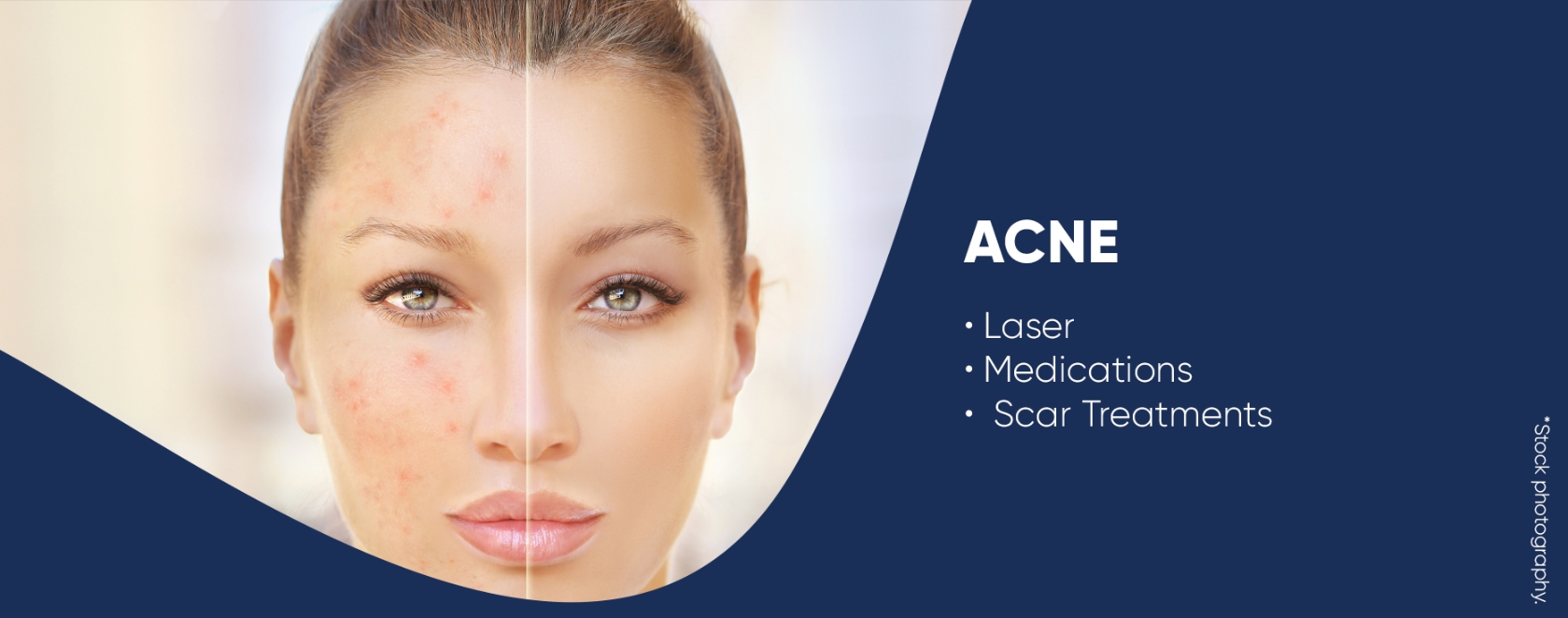
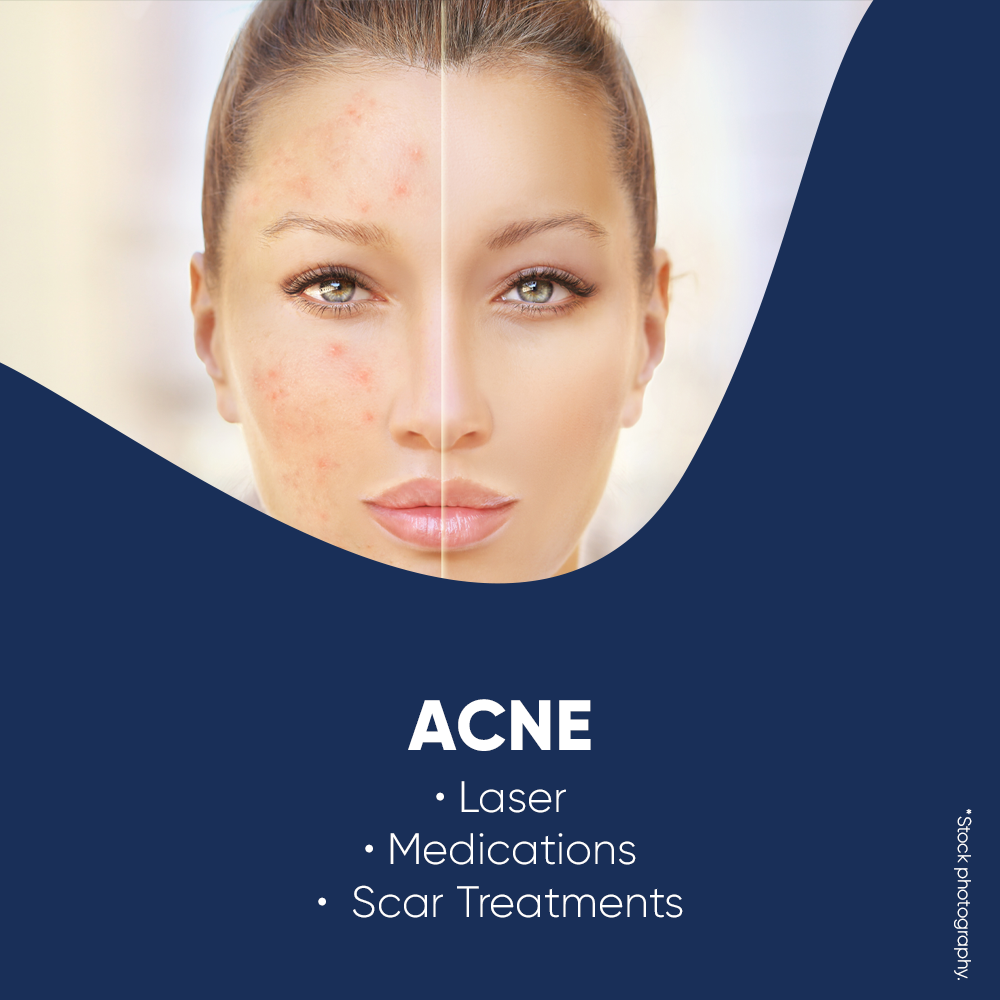
Acne cysts are unique to other forms of acne and appear as large, red, tender bumps under the skin. Cystic acne typically appears on the face but can develop over larger areas of skin such as the back, neck, chest and upper arms.
Unlike superficial pimples, cystic acne does not easily come to a head, which makes it risky to attempt popping or squeezing. Doing so can increase inflammation and scarring.
Who is more at risk of cystic acne?
Certain groups are more likely to develop cystic acne due to hormonal, genetic or physiological factors.

- Teenagers and young adults undergo hormonal changes during puberty which trigger excessive oil production and can clog pores.
- Women undergoing hormonal fluctuations during their menstrual cycle or those with conditions like PCOS are at an increased risk of developing cystic acne.
- Individuals with a family history of severe acne can be genetically predisposed to cystic acne.
- Individuals taking certain medications such as corticosteroids, lithium, or androgenic steroids can contribute to severe acne development.
How is cystic acne different from regular acne?
Unlike whiteheads or pimples that sit on the skin’s surface, cystic acne forms deep within the dermis, often feeling like solid, painful or tender bumps.
Can cystic acne cause scarring?
Yes, cystic acne increases the risk of developing permanent scarring and discoloration due to its effects on the deeper layers of skin. While it is known that cystic acne increases the likelihood of permanent scarring, some studies suggest that up to 95% of individuals with untreated cystic acne will develop permanent scarring or discoloration due to the condition. Early treatment is important for optimal results with cystic acne.
How is cystic acne treated?
Treatment of cystic acne depends on severity and individual factors. Common options include:
Topical treatments
- Retinoids (e.g. tretinoin) to unclog pores
- Topical antibiotics to reduce presence of bacteria and inflammation
Oral medications
- Antibiotics (e.g. doxycycline)
- Hormonal therapy such as the contraceptive pill spiralactone (commonly used for women)
- Isotretinoin for severe or resistant cases
Dermatological procedures
- Drainage and extraction
- Chemical peels or CO2 laser therapy are often used for deep scarring and skin texture treatment. Find out more about treatment for scarring from cystic acne with CO2 laser here.
Treatment is varied and no one-size-fits-all solution exists. Each treatment plan is tailored to the patient’s skin, history and severity, as different individuals respond to treatments differently, says Dr Parisa.
Are there at home remedies for cystic acne?
Yes, at-home remedies exist for cystic acne, though their effectiveness varies and it is always recommended you see a health professional for persistent acne before trying any home therapies. Attempting to pop or drain cysts at home can worsen inflammation, increase infection risk, and lead to permanent scarring.
It is usually more beneficial to practice good skincare and hygiene, than attempt to use home remedies as treatment, says Dr Parisa.
“Some patients try Vitamin C serums or spend hundreds of dollars on expensive skin products or chemical peels, but they most often don’t work,” she says, “if not treated early there will be scarring which could often be avoided by prompt treatment.”
“Other patients focus solely on diet and avoid chocolate and dairy products but there is not sufficient evidence that avoiding any specific food makes a significant difference for cystic acne.”
“Professional management is crucial. Home remedies are not a substitute for medical treatment when it comes to severe conditions such as cystic acne,” says Dr Parisa.
Am I eligible for a Medicare rebate for laser treatment if I have cystic acne?
“Cystic acne really must be addressed by a GP or dermatologist and generally antibiotics are required as a first line of treatment,” says Dr Parisa. “After that, stronger medications may be used while laser can help address current scarring.”
If acne scarring is noticeable from a distance patients may be eligible for a Medicare rebate.
Ask Dr Parisa if you are eligible at your first consult.
Can cystic acne be prevented?
While cystic acne is not always preventable, certain measures can help minimize severity and recurrence:
- Use non-comedogenic skincare products
- Manage stress, squeezing or irritating cysts
- Manage hormonal and stress triggers
- Follow a plan implemented by your dermatologist
When should I see a dermatologist?
See a dermatologist if you notice:
- Recurrent cysts
- Large, painful bumps that persist for more than three months
- Early signs of scarring (indentation and red streaks on the skin
Prompt treatment by a dermatologist can reduce the likelihood and severity of permanent scarring and prevent the condition from worsening.
Call us today on 9423 0033 for a cystic acne consultation.
Summary
Cystic acne is a severe, painful, and potentially scarring form of acne. Early consultation with a dermatologist can ensure tailored treatment, minimise discomfort and prevent permanent skin damage. Understanding causes, recognising symptoms and pursuing evidence-based treatments are key steps to managing cystic acne effectively.
References